



by Akindele Orimolade~
For decades, Nigeria’s housing deficit has hovered stubbornly in the millions, widening with rapid urbanisation, population growth and rising construction costs. From Lagos to Kano, Port Harcourt to Abuja, decent and affordable shelter remains out of reach for millions of citizens.
Yet, under the Renewed Hope Agenda of President Bola Ahmed Tinubu, the Federal Government is pushing what it describes as a fundamental shift in housing policy, one that moves beyond rhetoric to mass construction, mortgage reform and private-sector driven delivery.
At the centre of this approach is the Renewed Hope Housing Programme; a flagship initiative designed not only to build homes, but to re-engineer how housing is financed, delivered and accessed in Nigeria.
From Promise to Projects
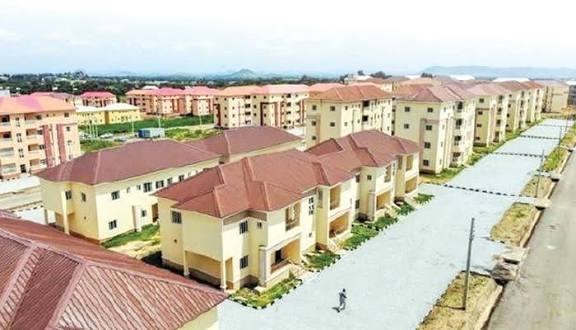
Unlike previous interventions that struggled to scale, the Renewed Hope initiative is anchored on visible construction across multiple states. The Federal Ministry of Housing and Urban Development has rolled out housing estates and Renewed Hope Cities in strategic locations, targeting low- and middle-income earners.
The philosophy is straightforward: increase supply at scale while making mortgages more accessible and affordable.
Housing experts have long argued that Nigeria’s crisis is rooted in two fundamental problems, insufficient supply and weak mortgage penetration. With a mortgage-to-GDP ratio that remains extremely low compared to peer economies, homeownership has largely been financed through personal savings or informal arrangements.
The Tinubu administration’s policy attempts to address both sides of the equation simultaneously.
Mortgage Reform as a Game Changer
A key pillar of the strategy involves strengthening institutions such as the Federal Mortgage Bank of Nigeria and expanding access to the National Housing Fund. By lowering equity contributions and extending repayment tenures, the government aims to make mortgages more attainable for civil servants, artisans and young professionals.
There is also an emphasis on digitising processes, improving transparency, and encouraging private financial institutions to participate more actively in long-term housing finance.
If successfully implemented, this could represent a structural shift, from a cash-based, incremental building culture to a structured, mortgage-driven housing market.
Public-Private Partnerships and Scale
Another defining feature of the Renewed Hope Housing Policy is its reliance on public-private partnerships. Rather than positioning government as the sole builder, the administration is leveraging private developers, construction firms and financiers to accelerate delivery.
The goal is ambitious: deliver thousands of housing units annually across different income bands. By spreading projects nationwide, the policy also aims to stimulate local economies, generate employment and deepen construction-sector value chains.
Supporters argue that this approach recognises a basic economic truth, government alone cannot close Nigeria’s housing gap. Sustainable impact requires coordinated action between the public and private sectors.
Beyond Shelter: Economic Stimulus
Housing, in this framework, is not merely a social service; it is an economic strategy. Construction activity drives demand for cement, steel, labour and logistics. Each housing estate potentially creates hundreds of direct and indirect jobs.
In a period marked by inflationary pressures and economic restructuring, large-scale housing delivery offers both social protection and economic stimulus.
By aligning housing development with infrastructure planning; roads, water and electricity, the Renewed Hope initiative also seeks to avoid the pitfalls of poorly serviced estates that plagued earlier schemes.
The Challenges Ahead
Still, sceptics caution that execution will determine success. Rising building material costs, land acquisition bottlenecks and bureaucratic delays remain real obstacles. Ensuring transparency in allocation and preventing politicisation of beneficiary selection will also be critical to maintaining public trust.
Affordability remains another concern. For many Nigerians in the informal sector, even subsidised mortgages may remain out of reach unless income growth keeps pace with repayment obligations.
Yet policy analysts note that the significance of the Renewed Hope Housing shift lies in its systemic ambition. Rather than isolated housing projects, it proposes a restructured ecosystem, combining supply expansion, mortgage accessibility, and private-sector mobilisation.
A Potential Turning Point
Nigeria’s housing crisis is decades in the making. It cannot be resolved overnight. But the Renewed Hope Housing Programme under President Tinubu represents a decisive attempt to tackle root causes rather than symptoms.
If sustained beyond political cycles and supported by strong institutional reforms, it could mark the beginning of a more inclusive housing market, one where homeownership becomes a realistic aspiration rather than a distant dream.
For millions of Nigerians, the success or failure of this policy shift will not be measured in speeches or groundbreaking ceremonies, but in keys handed over, mortgages approved, and families finally able to call a place their own.